Online MBA vs Regular MBA: Which Should You Pick in 2026?

Online MBA vs. Regular MBA: Which One Fits Your Lifestyle?

Choosing an MBA degree is the smartest choice to accelerate your career. But should you go traditional or join the “New Generation” online movement? Let’s clear the confusion.

If you ask your uncles, cousins, or teachers, the answers will vary wildly. One might swear by the campus experience, while another praises the convenience of digital learning. Instead of getting overwhelmed, take a chill pill. Both paths lead to success; you just need to find your match.

The Commitment: Marital Knot vs. Friendly Relationship

A Regular MBA is like a marital knot; once you are in, you are locked in for a full-time commitment. You must give your all to stay on top. Conversely, a Distance/Online MBA is like a friendly relationship. You study at your own pace, choose your own environment, and are supported by digital trainers without the rigid formalities.

Regular MBA

The Full-Time Grind: Perfect for fresh graduates. It includes classroom projects, assignments, campus events, and mandatory internships that can transform your career outlook.

Online MBA

The Flexible Flow: A boon for working professionals, housewives, or those in remote areas. It allows you to balance work and personal life without sacrificing your profession.

Networking and Career ROI

In a Regular MBA, networking is the ultimate bonus. Meeting classmates and industry leaders in person builds lasting connections. However, the costs—tuition, food, and transport—are higher. While it offers immediate ROI through placement programs, the long-term value depends on your skills.

Group of students collaborating

Online MBA programs have evolved to bridge this gap. Modern platforms now host virtual alumni meetups and global peer networks. It is a new-generation education pattern where your performance speaks louder than the medium of your degree.

The Learning Experience

The Regular MBA offers structured, immersive learning and campus life that shapes your personality. The Online MBA offers freedom—the choice between live sessions or recorded lectures. To succeed here, discipline and time management are your best friends.

Entrepreneurial Mindset: Traits and Qualities of Successful Entrepreneurs

An entrepreneurial mindset is more than just starting a business—it’s a way of thinking and approaching challenges with innovation, resilience, and vision. Successful entrepreneurs share certain traits and qualities that set them apart and enable them to thrive in the ever-changing world of business. Let’s explore these qualities through the 5 W H format, which helps break down the essential components of an entrepreneurial mindset.

Who are Successful Entrepreneurs?

Successful entrepreneurs are individuals who identify opportunities, take calculated risks, and have the determination to turn their ideas into reality. They range from small business owners to global visionaries like Elon Musk, Oprah Winfrey, or Steve Jobs. Entrepreneurs come from diverse backgrounds but share the same drive for innovation and impact.

What Traits Define an Entrepreneurial Mindset?

At the core, a successful entrepreneur possesses key traits such as resilience, risk-taking, adaptability, and a growth-oriented mindset. Here are some standout qualities:

  • Resilience: Entrepreneurs face setbacks and failures, but what sets them apart is their ability to bounce back and persevere.
  • Innovation: A successful entrepreneur constantly seeks out new ideas and approaches to solve problems.
  • Risk-Taking: They are willing to step outside their comfort zone and take calculated risks, understanding that success often comes with uncertainty.
  • Self-Motivation: Entrepreneurs have a high level of intrinsic motivation, constantly pushing themselves to achieve their goals.
  • Adaptability: The ability to pivot and adjust to market changes is crucial in entrepreneurship.

Where do Entrepreneurs Succeed?

Entrepreneurs succeed in all industries—from technology and healthcare to retail and entertainment. Some thrive in traditional sectors, while others find success by disrupting industries with innovative products or services. Locations with strong business ecosystems, such as Silicon Valley, tend to foster more entrepreneurial ventures, but today’s digital world allows entrepreneurs to succeed from almost anywhere.

When Do Entrepreneurs Achieve Success?

The timing of success varies. Some entrepreneurs see early success in their careers, while others, like Colonel Sanders, founder of KFC, achieved fame later in life. Success is often the result of continuous effort, trial, and error. Entrepreneurs typically measure success not only in financial gains but also in personal fulfillment and the impact they make on their customers and communities.

Why is an Entrepreneurial Mindset Important?

An entrepreneurial mindset is vital because it fuels innovation, drives economic growth, and creates job opportunities. Entrepreneurs are problem solvers who identify gaps in the market and develop solutions that improve people’s lives. Additionally, an entrepreneurial mindset encourages continuous learning and resilience, which are valuable beyond business, influencing how one handles challenges in life.

How Can You Develop an Entrepreneurial Mindset?

Developing an entrepreneurial mindset involves a commitment to personal growth and continuous learning. Here are actionable steps to cultivate this mindset:

  1. Embrace Challenges: View obstacles as opportunities to learn and grow.
  2. Take Calculated Risks: Weigh the potential outcomes but don’t be afraid to take the leap.
  3. Learn from Failure: Understand that failure is part of the journey; learn from mistakes and keep moving forward.
  4. Stay Curious: Constantly seek new knowledge and stay updated on trends in your industry.
  5. Network: Surround yourself with other entrepreneurs and mentors who can guide you and provide valuable insights.

The Rewards of Entrepreneurship

While entrepreneurship comes with risks, the rewards are equally significant. Successful entrepreneurs often enjoy financial independence, personal freedom, and the satisfaction of building something from the ground up. They get to solve real-world problems, make a lasting impact, and continuously evolve in their personal and professional journeys.

In conclusion, the entrepreneurial mindset is a powerful tool for success in business and life. By developing traits such as resilience, adaptability, and a passion for innovation, anyone can take the steps toward becoming a successful entrepreneur.

Job Hunting Tips: Crafting Resumes, Interviewing Effectively, and Networking

Job hunting in today’s competitive market requires more than just submitting resumes to online job boards. To stand out, candidates must strategically craft resumes, master the art of interviewing, and leverage their networks effectively. This comprehensive guide will cover resume writing, interview preparation, and networking strategies to help you succeed in your job search.

1. Crafting the Perfect Resume

The resume is your first opportunity to make an impression on a potential employer. A well-crafted resume should not only showcase your skills but also highlight your achievements and experience in a way that is tailored to the job you are applying for.

What to Include in a Resume

When crafting your resume, make sure to include the following key sections:

  • Contact Information: Your full name, phone number, email address, and LinkedIn profile (if applicable).
  • Professional Summary: A concise statement summarizing your experience, skills, and career goals. This is the hook that will capture the attention of hiring managers.
  • Skills: A bullet-point list of your relevant hard and soft skills, including technical expertise and interpersonal capabilities.
  • Work Experience: List your professional history in reverse chronological order. For each position, highlight key responsibilities and quantify your achievements (e.g., “Increased sales by 20% in six months”).
  • Education: Include your degrees, certifications, and any relevant coursework that applies to the role.
  • Keywords: Tailor your resume to the job description by incorporating keywords that are relevant to the position. Many employers use Applicant Tracking Systems (ATS) to filter candidates, so using the right words is essential.

Common Resume Mistakes to Avoid

  • Overloading with Unnecessary Information: Keep your resume concise. Stick to relevant experience and skills.
  • Grammatical Errors: Proofread your resume multiple times to ensure it’s free of typos or grammatical mistakes.
  • Using Generic Templates: Customize your resume for each job application and avoid using generic templates that don’t align with the industry you’re targeting.

2. Mastering the Interview Process

Once your resume gets you in the door, the next hurdle is facing the interview. Interviewing effectively requires preparation, confidence, and the ability to communicate your value clearly.

Why Interview Preparation is Crucial

The interview is your opportunity to demonstrate why you are the best fit for the position. Preparation is key to making a strong impression. Research the company, review the job description, and practice common interview questions.

How to Prepare for an Interview

  • Research the Company: Understanding the company’s values, culture, and mission will help you tailor your answers to align with what the employer is looking for.
  • Review Common Interview Questions: Practice answering typical interview questions like “Tell me about yourself,” “Why do you want to work here?” and “What are your strengths and weaknesses?”
  • Prepare STAR Responses: For behavioral interview questions (e.g., “Tell me about a time when…”), use the STAR method (Situation, Task, Action, Result) to structure your responses.
  • Dress Appropriately: First impressions matter. Dress professionally and ensure your attire aligns with the company’s culture.
  • Ask Thoughtful Questions: At the end of the interview, ask insightful questions to show your interest in the company and the r0ole. Questions like “What are the biggest challenges facing the team right now?” can help you stand out.

During the Interview

  • Be Confident, Not Arrogant: Speak clearly, make eye contact, and show enthusiasm for the role. Confidence is attractive to employers, but arrogance can be off-putting.
  • Listen Actively: Pay close attention to the interviewer’s questions, and make sure your answers are on point.
  • Sell Yourself: Highlight your achievements and skills that directly relate to the position. Use real examples from your previous experiences to demonstrate your capabilities.

Following Up After the Interview

After the interview, always send a follow-up thank-you email. Express gratitude for the opportunity and reiterate your enthusiasm for the role. This small gesture can make a lasting impression.

3. Networking: The Key to Unlocking Opportunities

Networking is often the most powerful tool in a job search. The majority of job openings are never advertised; they are filled through personal connections. Building and maintaining a strong professional network can open doors to opportunities that might not be available through traditional job search methods.

Where to Network

  • LinkedIn: The go-to platform for professional networking. Make sure your LinkedIn profile is up-to-date and reflects your resume. Engage with industry-related posts, join professional groups, and connect with people in your field.
  • Industry Events: Attend conferences, seminars, or workshops related to your industry. These events provide valuable opportunities to meet industry leaders and potential employers.
  • Alumni Networks: Don’t overlook the value of your college or university’s alumni network. Reaching out to former classmates can lead to job opportunities.
  • Informational Interviews: Request informational interviews with professionals in your desired industry. These conversations can provide insights into the industry and may lead to job referrals.

How to Network Effectively

  • Be Genuine: Networking is about building relationships, not just asking for favors. Take the time to get to know people and understand how you can help them as well.
  • Follow Up: After meeting someone, follow up with a thank-you email or connect on LinkedIn. Stay in touch with your contacts and keep them updated on your job search.
  • Offer Value: Networking is a two-way street. Be ready to offer your assistance to others. Whether it’s sharing an article or offering advice, providing value will make you a valuable connection.

Networking Mistakes to Avoid

  • Being Too Aggressive: Don’t be pushy or overly aggressive in asking for job leads. Networking should be organic.
  • Ignoring Online Presence: Ensure your online presence is professional. Employers often check LinkedIn profiles before interviews, so make sure yours is polished and up to date.

Conclusion

In today’s competitive job market, job seekers need to be proactive and strategic in their approach. Crafting a strong resume, acing interviews, and building a robust network are essential steps for landing your dream job. By focusing on these areas, you can increase your chances of standing out from the competition and securing the role you want.

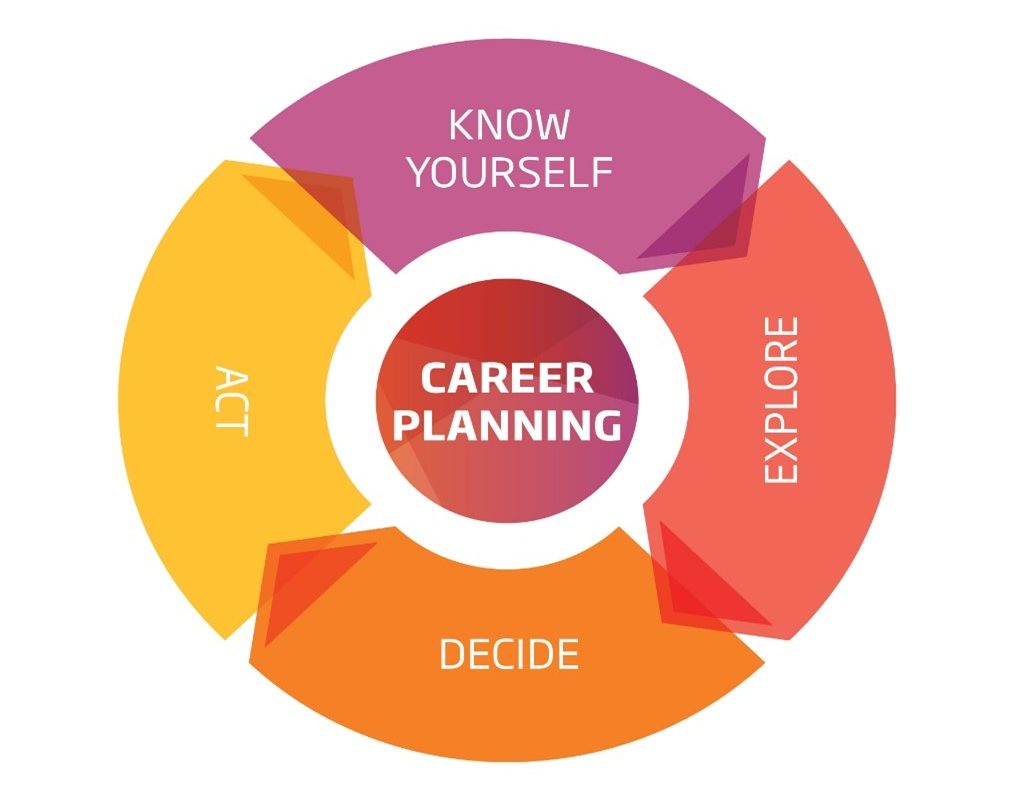
Mastering Your Future: How to Start Planning Your Career

Setting the Stage for Success

Setting the Stage for SuccessIn today’s rapidly changing world, planning and organizing are crucial components for achieving a successful career. Whether you are a recent college graduate starting your professional journey or an experienced professional considering a career change, careful consideration, proactive decision-making, and strategic planning are essential for achieving your goals. This comprehensive guide outlines the fundamental steps to kick-start your career planning process and pave the way for a successful future.